

5G technology is more than just the next mobile network upgrade. It is a technology that is changing how people connect, work, and live. Compared to 4G, 5G offers ultra-fast speeds, low latency, and the ability to connect millions of devices at once.
Because of this, 5G Technology Benefits and Use Cases are expanding rapidly across industries like healthcare, education, transportation, and entertainment. In this blog, we will explore how 5G works, its major advantages, and where it is used in real life.
Table of Contents
What Is 5G Technology?
Key Benefits of 5G Technology
5G vs 4G: Speed and Performance Difference
Major Use Cases of 5G Technology
4.1 5G in Smart Cities
4.2 5G in Healthcare
4.3 5G in Education and Remote Work5G Technology in India
Challenges and Limitations of 5G
Future Scope of 5G Technology
What Is 5G Technology?
5G stands for fifth-generation mobile network. It is designed to deliver faster data speeds, better reliability, and minimal delay.
Unlike earlier networks, 5G can support advanced technologies like artificial intelligence, cloud computing, and the Internet of Things. As a result, it enables real-time communication between devices.
Key Benefits of 5G Technology
The advantages of 5G technology go beyond speed. It improves overall digital experiences for users and businesses alike.
Some major benefits include faster downloads, smoother streaming, and more stable connections. Additionally, 5G supports large-scale automation and smart infrastructure.
5G vs 4G: Speed and Performance Difference
To understand the real value of 5G, it helps to compare it with 4G technology.
| Feature | 4G LTE | 5G Network |
|---|---|---|
| Maximum Speed | Up to 100 Mbps | Up to 10 Gbps |
| Latency | 30–50 ms | 1–10 ms |
| Device Capacity | Limited | Massive connectivity |
| Use Case Support | Smartphones | IoT, AI, Smart Cities |
This comparison clearly shows why 5G is considered future-ready.
Major Use Cases of 5G Technology
5G in Smart Cities
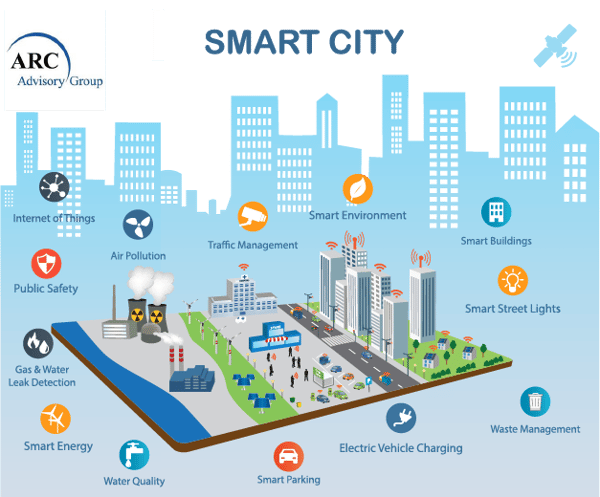
5G helps cities become smarter by connecting traffic systems, street lights, and surveillance cameras. This leads to better traffic control, energy efficiency, and public safety.
As a result, city management becomes more data-driven and responsive.
5G in Healthcare
In healthcare, 5G enables remote patient monitoring and real-time data sharing. Doctors can perform virtual consultations with high-quality video and minimal delay.
In critical cases, 5G also supports robotic surgeries and emergency response systems.
5G in Education and Remote Work
Online learning becomes more interactive with 5G. Students can attend virtual classrooms using AR and VR technologies.
Similarly, professionals benefit from smooth video conferencing and cloud-based collaboration tools.
5G Technology in India
India is rapidly adopting 5G technology across major cities. Telecom providers are expanding networks to support smart infrastructure and digital services.
With growing smartphone usage and digital payments, 5G use cases in India will continue to grow in the coming years.
Challenges and Limitations of 5G
Despite its advantages, 5G has some challenges. Infrastructure costs are high, and network coverage is still limited in rural areas.
Moreover, device compatibility and spectrum availability can slow down adoption initially.
Future Scope of 5G Technology
The future of 5G technology looks promising. It will play a key role in autonomous vehicles, smart factories, and advanced gaming experiences.
As networks expand, the benefits of 5G technology will reach more users and industries worldwide.
Related Posts

7 Smart Ways Technology Is Changing Human Life
Introduction Technology has become an inseparable part of modern human…
Top 5 Electric Vehicles in India 2026
Top 5 Electric Vehicles in India 2026 The electric vehicle…
7 Powerful Insights: Android vs iOS – Which Is Better?
Choosing between Android and iOS is one of the most…