Introduction
Face Skin vs Body Skin is a topic many people often ignore while following skincare routines.
Most people use the same products for face and body without knowing the difference.
However, face skin and body skin are not the same at all.
Understanding this difference helps you choose the right skincare products and routine.
In this blog, we will explain Face Skin vs Body Skin in a simple, clear, and practical way.
Table of Contents
-
Face Skin vs Body Skin: Basic Difference
-
Thickness of Face Skin vs Body Skin
-
Oil Glands in Face Skin vs Body Skin
-
Sensitivity Level of Face Skin vs Body Skin
-
Face Skin vs Body Skin Care Products
-
Aging Signs on Face Skin vs Body Skin
-
Why Separate Face and Body Skincare Matters
Face Skin vs Body Skin: Basic Difference
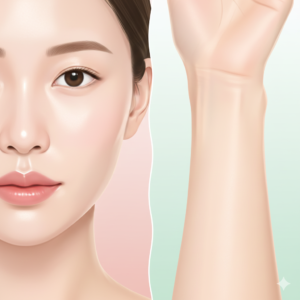
The biggest difference is how each skin behaves daily.
Face skin is exposed to sun, pollution, and dust all the time.
On the other hand, body skin stays mostly covered.
Because of this, face skin needs extra care and protection.
Thickness of Face Skin vs Body Skin
Face skin is thinner than body skin.
That is why it reacts quickly to products and weather changes.
Body skin is thicker and stronger.
It can handle heavier creams and stronger formulas easily.
Oil Glands in Face Skin vs Body Skin
Face skin has more oil glands, especially on the T-zone.
This causes acne, pimples, and clogged pores.
Body skin has fewer oil glands.
So, it often becomes dry, rough, or flaky.
Sensitivity Level of Face Skin vs Body Skin
Face skin is more sensitive.
It can get irritated quickly from harsh chemicals.
Body skin is less sensitive.
That is why body lotions are usually stronger and thicker.
Face Skin vs Body Skin Care Products
Using the right products is very important.
| Feature |
Face Skin |
Body Skin |
| Skin Thickness |
Thin |
Thick |
| Oil Production |
High |
Low |
| Sensitivity |
Very sensitive |
Less sensitive |
| Product Texture |
Light & gentle |
Thick & rich |
| Common Issues |
Acne, spots, wrinkles |
Dryness, rough skin |
This table clearly shows why one product cannot suit both.
Aging Signs on Face Skin vs Body Skin
Aging appears faster on the face.
Fine lines, wrinkles, and pigmentation are common.
Body skin ages slowly.
However, dryness and loss of elasticity still occur over time.
Why Separate Face and Body Skincare Matters
Using body lotion on the face can block pores.
This may cause acne and irritation.
Similarly, face creams are too light for body skin.
They may not provide enough hydration.
So, always follow a separate skincare routine.
This keeps your skin healthy, glowing, and balanced.
Conclusion
The difference between face skin and body skin is real and important.
Ignoring it can damage your skin in the long run.
By understanding Face Skin vs Body Skin, you can choose smarter skincare products.
Healthy skin starts with the right knowledge and routine.