Top 5 Electric Vehicles in India 2026
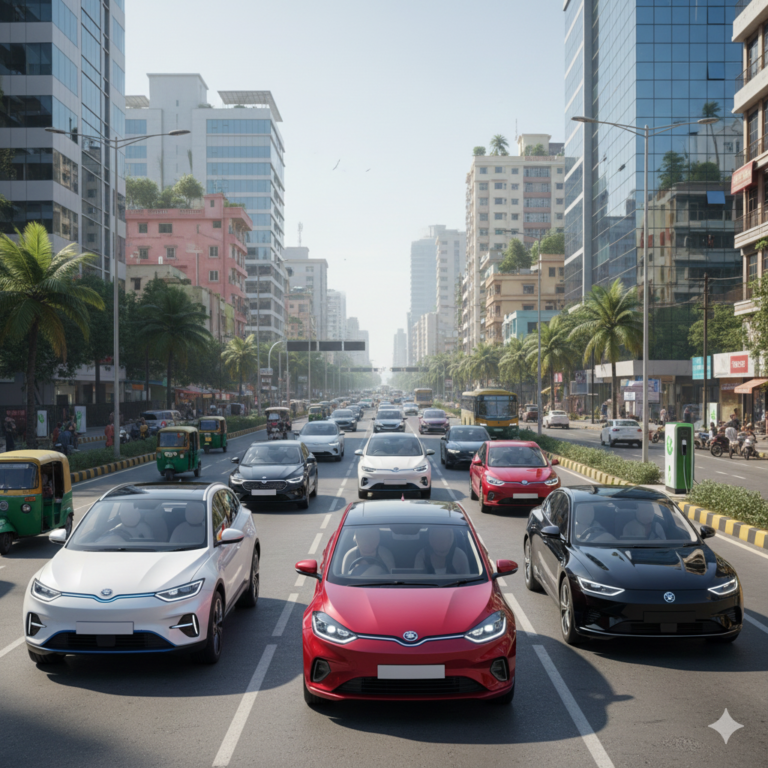
The electric vehicle (EV) market in India is growing rapidly. With rising fuel costs and environmental concerns, more people are turning to electric mobility. In 2026, India will see a surge of innovative and affordable EV options. This guide highlights the top 5 electric vehicles in India 2026, their features, and what makes them stand out.
Table of Contents
Overview of Electric Vehicles in India 2026
Benefits of Switching to Electric Vehicles
Top 5 Electric Vehicles in India 2026
3.1 EV 1: Tata Nexon EV
3.2 EV 2: MG ZS EV
3.3 EV 3: Hyundai Kona Electric
3.4 EV 4: Mahindra eKUV100
3.5 EV 5: Kia EV6
EV Charging Infrastructure in India
Government Policies Supporting EVs
Future of Electric Vehicles in India
Overview of Electric Vehicles in India 2026
Electric vehicles are transforming the automotive industry in India. By 2026, EV adoption is expected to rise due to improved battery technology, better charging networks, and government incentives. Companies are now offering a variety of EVs ranging from affordable city cars to premium SUVs.
Benefits of Switching to Electric Vehicles
Switching to EVs comes with multiple benefits:
Reduces carbon emissions and helps the environment.
Lower running and maintenance costs compared to petrol or diesel vehicles.
Government incentives such as subsidies and tax benefits for buyers.
Electric motors provide quiet and smooth driving experiences.
Top 5 Electric Vehicles in India 2026
Here’s a detailed look at the top 5 EVs in India 2026:
| EV Model | Price (INR) | Range (km) | Key Features |
|---|
| Tata Nexon EV | 15–18 Lakh | 400 | Fast charging, Smart infotainment |
| MG ZS EV | 20–25 Lakh | 450 | Premium design, long-range battery |
| Hyundai Kona Electric | 23–25 Lakh | 450 | Advanced safety, quick charging |
| Mahindra eKUV100 | 8–10 Lakh | 150 | Affordable, compact, city-friendly |
| Kia EV6 | 45–50 Lakh | 510 | Luxury EV, fast-charging, AI tech |
EV 1: Tata Nexon EV
The Tata Nexon EV is India’s best-selling electric SUV. With a range of 400 km and fast-charging capability, it suits both city and highway drives. Its smart infotainment system makes it a favorite among tech-savvy buyers.
EV 2: MG ZS EV
MG ZS EV is a premium electric SUV with a stylish design. It offers a 450 km range, modern features, and comfortable interiors, making it perfect for family trips and long drives.
EV 3: Hyundai Kona Electric
Hyundai Kona Electric is known for its advanced safety features and long-range battery. The vehicle also supports rapid charging, giving up to 80% charge in just 57 minutes.
EV 4: Mahindra eKUV100
The Mahindra eKUV100 is an affordable city-friendly EV. Though its range is 150 km, it’s ideal for daily commuting and urban use. Its compact design allows easy parking in crowded areas.
EV 5: Kia EV6
Kia EV6 is a luxury electric vehicle with cutting-edge technology. It offers 510 km range, ultra-fast charging, and futuristic features like AI-assisted driving.
EV Charging Infrastructure in India
Charging stations are expanding rapidly in India. Major cities now have fast-charging points and battery-swapping stations. Companies like Tata Power, Ather, and Fortum are contributing to a growing EV ecosystem.
Government Policies Supporting EVs
India’s government is promoting EV adoption through:
These initiatives make EVs more affordable and encourage manufacturers to innovate.
Future of Electric Vehicles in India
By 2026, EVs will dominate urban transportation. With improved battery technology, more affordable options, and widespread charging networks, India is set to become a major EV market. Electric mobility is not just a trend; it’s the future.