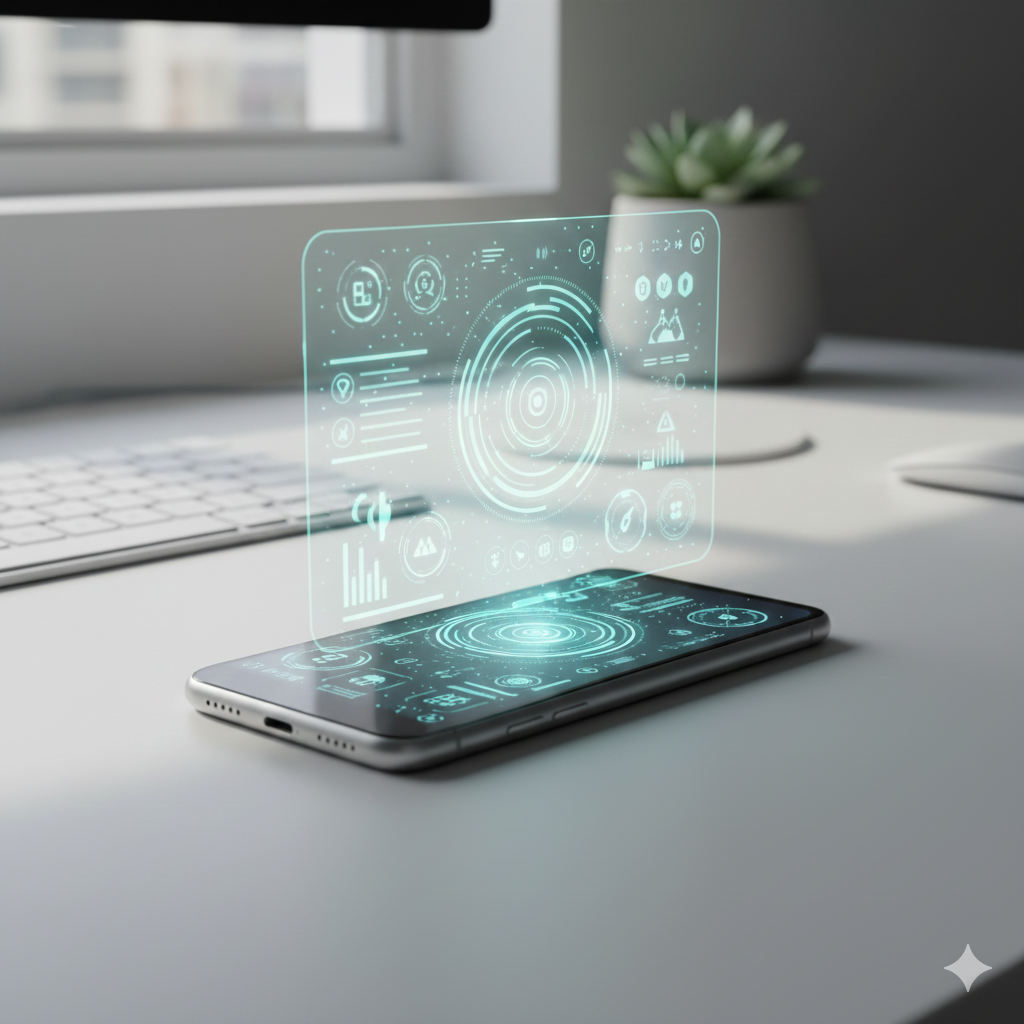
The mobile phone future is evolving faster than ever, shaping how we work, communicate, and experience the digital world. From AI-driven features to flexible screens, smartphones are becoming smarter, lighter, and more powerful.
Moreover, the next decade will redefine what a “phone” truly means. Let’s explore how the future of mobile phones technology will transform everyday life.
Table of Contents
Artificial Intelligence in Smartphones
Foldable and Rollable Display Technology
6G and Ultra-Fast Connectivity
Battery and Charging Innovations
Camera and AR Advancements
Security and Biometric Evolution
Sustainable and Eco-Friendly Mobile Design
1. Artificial Intelligence in Smartphones
AI will become the brain of future smartphones. It will not only improve voice assistants but also manage performance, battery usage, and camera quality automatically.
Smarter Personal Assistants
AI assistants will understand emotions, habits, and context. As a result, they will provide personalized suggestions, reminders, and real-time help.
2. Foldable and Rollable Display Technology
Screen innovation is changing phone design completely. Foldable phones are already here, but rollable displays will soon follow.
Flexible User Experience
These displays will allow phones to expand into tablets. Therefore, multitasking, gaming, and content viewing will feel more immersive than ever.
3. 6G and Ultra-Fast Connectivity
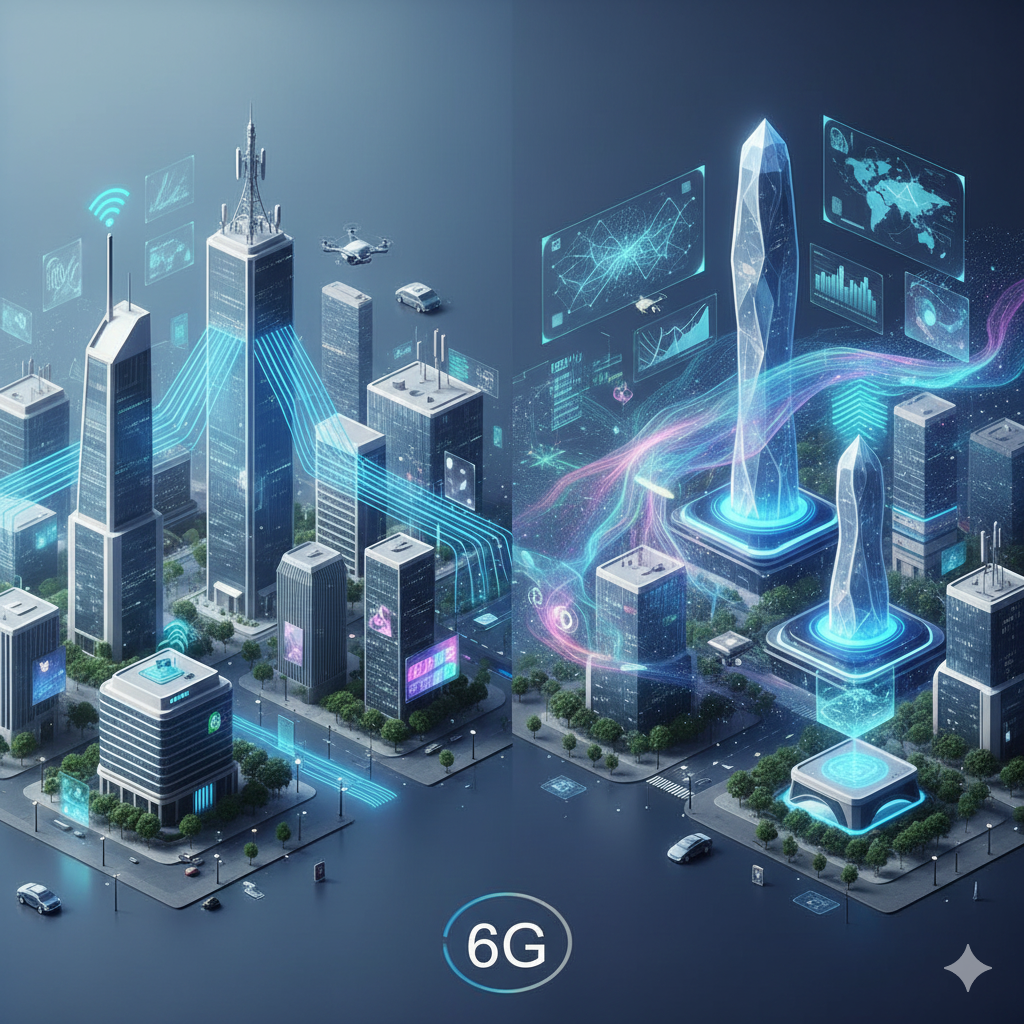
After 5G, the world will move toward 6G networks. This will bring almost zero-latency communication.
Seamless Cloud Interaction
With 6G, cloud-based apps, holographic calls, and real-time gaming will become smooth and instant.
4. Battery and Charging Innovations
Battery life is a major concern today. However, future smartphones will use graphene and solid-state batteries.
Ultra-Fast Wireless Charging
Phones may charge fully in minutes. In addition, long-lasting batteries will reduce daily charging stress.
5. Camera and AR Advancements
Mobile cameras will soon match professional equipment. AI-powered sensors will enhance low-light and 3D imaging.
Augmented Reality Integration
AR will be used in shopping, education, and navigation. As a result, digital objects will blend with the real world.
6. Security and Biometric Evolution
Security will become more advanced with multi-layer biometric systems.
DNA and Behavioral Authentication
Future phones may recognize users by heartbeat, walking style, or even DNA, making data protection nearly unbreakable.
7. Sustainable and Eco-Friendly Mobile Design
Environmental responsibility will shape smartphone manufacturing.
Green Materials and Energy Efficiency
Companies will use recyclable materials and energy-saving chips. Therefore, mobile technology will become more sustainable.
| Feature Area | Current Technology | Future Technology by 2030 |
|---|
| Network | 5G | 6G Ultra-Speed |
| Display | Flat OLED | Foldable & Rollable Screens |
| Battery | Lithium-ion | Graphene & Solid-State |
| Security | Fingerprint, Face ID | Behavioral & DNA Biometrics |
| Camera | AI Photography | 3D & AR Integrated Cameras |
How Mobile Phones Will Impact Daily Life
The future of mobile phones technology will blur the line between physical and digital worlds. Work will become remote-first, education will be virtual, and healthcare will be mobile-driven.
Moreover, smartphones will act as digital wallets, health monitors, and personal AI companions. As a result, dependence on multiple devices will reduce.
Final Thoughts
The mobile phone future is not just about better hardware. It is about creating a smarter, faster, and more connected lifestyle. With AI, 6G, flexible displays, and eco-friendly design, smartphones will become the center of digital life.
Therefore, understanding these upcoming trends will help users and businesses stay ahead in the technology-driven world.