
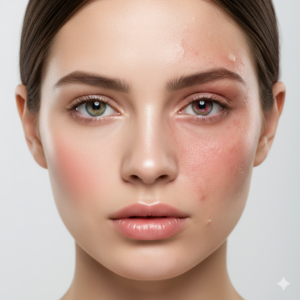
Hidden Skin Damage from Chemical Products
In today’s fast-paced lifestyle, beauty products have become a daily necessity. From face washes to creams, serums, and makeup, people apply multiple products every day without thinking twice. However, hidden skin damage from chemical products is becoming a serious concern in modern skincare routines.
Most beauty products available today contain synthetic chemicals that may give quick results but can harm the skin in the long run. Understanding how these chemicals affect the skin is important for making safer beauty choices.
Why Chemical Products Are So Common Today
Chemical-based beauty products are popular because they promise instant results. Fairness, glow, acne control, and anti-aging effects attract consumers easily. Brands focus on fast action formulas to meet market demand.
However, these products often contain parabens, sulfates, artificial fragrances, and preservatives. Over time, these ingredients can weaken the skin barrier and cause long-term damage.
Hidden Skin Damage from Chemical Products Explained
Many people do not realize the early signs of damage. Hidden skin damage from chemical products does not always appear immediately. It slowly affects skin health from within.
Common hidden effects include dryness, sensitivity, uneven tone, premature aging, and frequent breakouts. Continuous use of harsh chemicals reduces the skin’s natural ability to heal and protect itself.
Impact on Skin Barrier and Natural Glow
The skin barrier protects against pollution, bacteria, and moisture loss. Chemical-heavy products slowly damage this barrier. As a result, skin becomes more vulnerable to infections and irritation.
Loss of natural oils leads to dullness and rough texture. Even expensive beauty products cannot restore glow if the skin barrier is already damaged by chemicals.
Chemical Products and Long-Term Skin Problems
Long-term use of chemical-based beauty products can cause serious skin issues. Allergies, pigmentation, hormonal acne, and premature wrinkles are commonly linked to chemical exposure.
Some ingredients penetrate deep into the skin and disrupt natural cell function. This makes the skin dependent on products instead of healing naturally.
Why Sensitive Skin Suffers the Most
Sensitive skin reacts faster to chemical ingredients. Redness, itching, burning sensation, and rashes are common reactions. Hidden skin damage from chemical products is more visible in sensitive skin types.
Even products labelled “for all skin types” may not be safe. Skin sensitivity increases over time, making it harder to switch products without irritation.
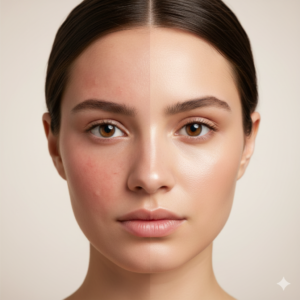
Natural Skincare as a Safer Alternative
Natural skincare focuses on nourishing the skin rather than forcing quick results. Ingredients like aloe vera, honey, turmeric, rose water, and plant oils support skin repair.
Choosing natural or chemical-free products helps restore the skin’s balance. Gradual improvement is healthier and more sustainable than instant beauty effects.
How to Reduce Chemical Damage to Skin
Being aware is the first step. Always check ingredient labels before buying beauty products. Avoid products with strong fragrances and harsh chemicals.
Limit the number of products used daily. A simple skincare routine reduces chemical exposure and allows the skin to breathe and heal naturally.
Beauty Awareness Is the New Trend
Modern beauty trends are shifting towards clean beauty and skin health. Consumers are now prioritizing safety over quick results. Understanding hidden skin damage from chemical products helps people make informed choices.
Healthy skin is not about instant glow but long-term care. Beauty begins with awareness and responsible skincare habits.
Conclusion
Hidden skin damage from chemical products is a real issue in today’s beauty culture. While chemical products may offer temporary benefits, their long-term effects can harm skin health deeply.
Choosing gentle, natural, and skin-friendly alternatives is essential for maintaining healthy and glowing skin. True beauty comes from protecting the skin, not overloading it with chemicals.


Pingback: Natural Beauty Tips for Healthy Skin & Glow
Pingback: Cold Weather Hair Care Routine
Pingback: Face Skin vs Body Skin: 7 Powerful Differences You Must Know - blueblacks.com
Pingback: 7 Best Skincare Products in India for Healthy Skin - blueblacks.com
Pingback: 7 Differences Between Chemical vs Herbal Beauty Products - blueblacks.com